 |
 |
 |
 |
 |
 |
 |
 |
 |
|||
 |
 |
|
|||||||
 |
|||||||
 |
|||||||
 |
|||||||
 |
|||||||
|
|||||||






|
||||||
 |
||||||
 |
||||||
 |
||||||
|






 |
 |
 |
 |
 |
 |
 |
complete car warranty clarity for everyday drivingWhat "complete" really coversMarketing loves big promises; contracts live in details. A complete car warranty often means broad component coverage - engine, transmission, high-voltage batteries, infotainment, even ADAS sensors - but exclusions still exist. Wear items, trim, glass, and environmental damage are commonly out. Transparency matters: look for clear language, not footnote mazes.
A quick road momentFriday, 6:40 p.m., your AC compressor seizes two hours from home. You call, the provider pre-authorizes, and the shop orders parts. Deductible noted, rental car covered. It's smooth - yet you still send the service adviser a photo of your maintenance log, just in case. Soft doubt, healthy outcome. Costs, value, and the not-so-obviousBalance premiums against probable repairs. An honest plan states what fails most often, how claims are adjudicated, and how quickly they pay shops. Reliability comes from consistent process, not slogans.
Staying transparentKeep records, follow service intervals, and get pre-authorization in writing. If you're comparing options, line up contracts side by side and judge clarity. A "complete" warranty reduces surprises, not reality; choose providers who explain first and sell second. https://www.consumeraffairs.com/automotive/complete-car-warranty.html
It was great service. Very thoughtful and considerate when it came to explaining the details of the program we chose. If I had to do it over again I would and ... https://www.completecar.com/
... Auto Warranty to protect against such costly repairs for the life of your vehicle. Let Complete Car Warranty help you save money today! Unexpected auto ... https://www.endurancewarranty.com/learning-center/comparisons/endurance-vs-complete-car-warranty/
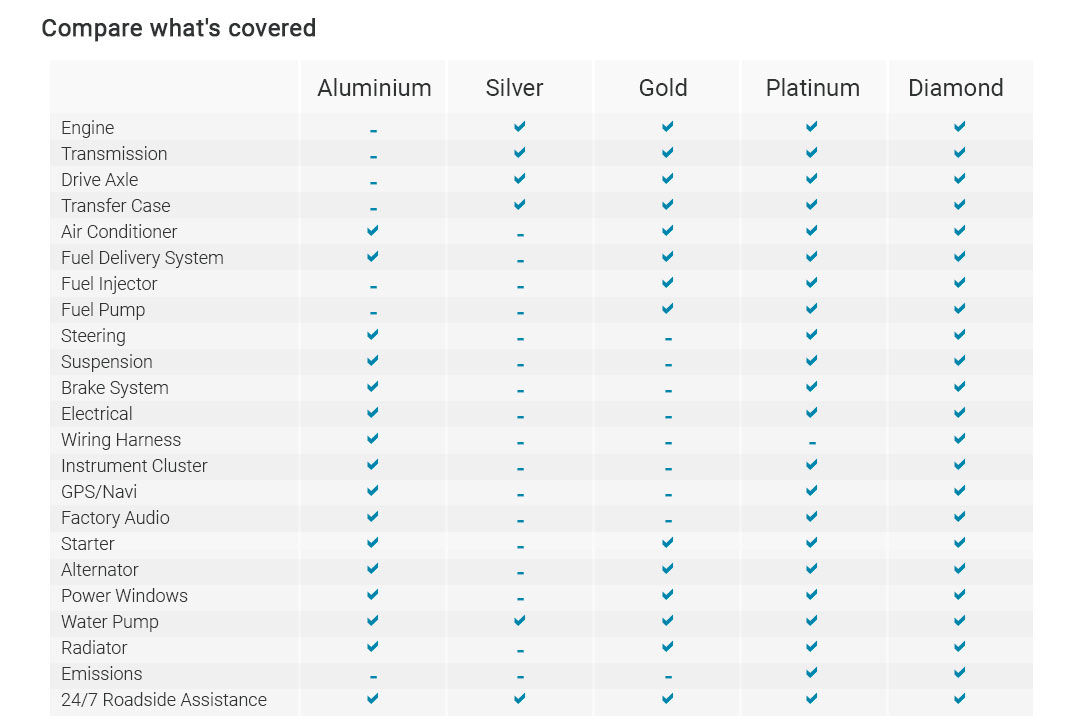
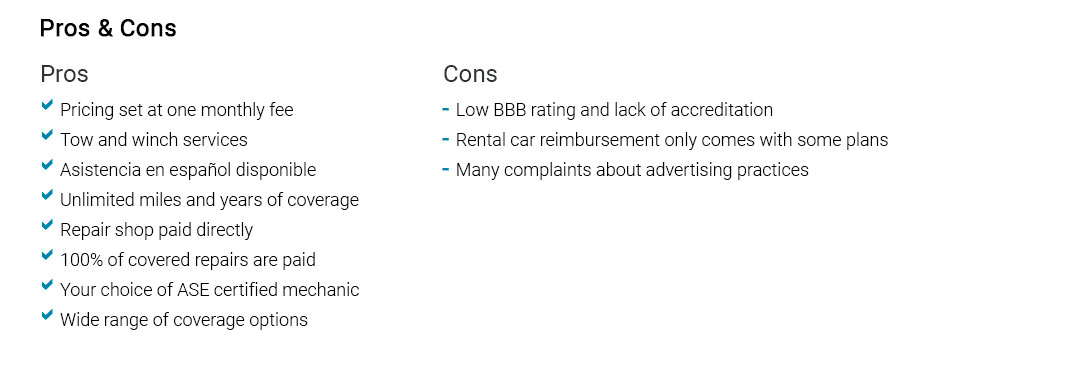
We'll compare Endurance with Complete Car Warranty, comparing their reputations, plans, added benefits, and more.
|
